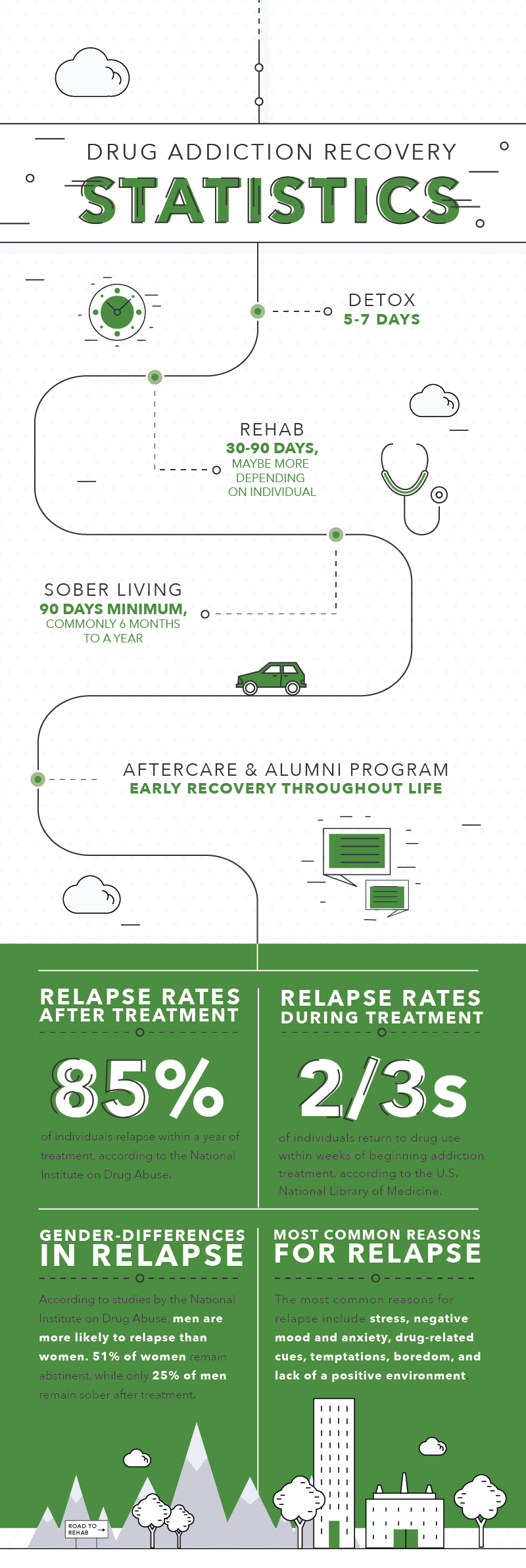
Entering rehabilitation can feel like entering the unidentified, and there are facets you could not anticipate. Withdrawal signs can hit hard, feelings can turn extremely, and group therapy might be much more frightening than you thought. Yet, it's likewise a time for link and development. Yet what concerning those shocking triggers and the truth of aftercare? Recognizing these components can be vital for your journey. So, what else should you be planned for?
The Fact of Withdrawal Manifestations
When you choose to give up alcohol or medications, you may deal with the rough fact of withdrawal signs. These signs and symptoms can vary from moderate to extreme, and they typically hit you unexpectedly. You might experience nausea, sweating, shaking, or even anxiety.
It's your body's method of responding to the lack of substances it's grown depending on. Knowing what to anticipate can aid you prepare for this difficult stage. Remaining moisturized, getting plenty of rest, and seeking assistance from experts or a support group can make a big distinction.
Psychological Ups and Downs Are Common
As you browse the trip of healing, emotional ups and downs become part of the procedure that you can expect. One moment, you might feel confident and inspired; the following, you can be overwhelmed by despair or stress and anxiety.
These changes are regular as your body and mind adjust to life without compounds. Identifying that these feelings are short-lived can assist you cope. https://postheaven.net/moises165ryan/establishing-the-best-alcohol-and-drug-therapy-center-for-enduring-recuperation to practice self-compassion throughout these times and remind yourself that healing isn't straight.
You may discover it helpful to journal your sensations or talk with someone you depend on. Bordering on your own with encouraging individuals that understand your journey can lighten the lots.
Team Therapy Can Be Intimidating
Browsing the emotional ups and downs of recuperation can be difficult, and adding team treatment into the mix could feel overwhelming. You're surrounded by people who share similar struggles, however that does not always relieve the stress and anxiety.
Strolling right into an area loaded with strangers can heighten your fears and instabilities. You may stress over being judged, or really feel pressure to share your tale prior to you prepare. Keep in mind, it's flawlessly typical to feel by doing this.
Team treatment is a safe area designed to cultivate support and link. As you take part extra, you'll likely find comfort in others' experiences and insights.
Do not hurry the procedure; take your time to open at your own pace. You're not alone in this journey.
You Might Feel Isolated in the beginning
Although it might feel like every person else is moving forward, you may really feel isolated initially in your healing journey. This feeling is entirely normal. You're entering a brand-new atmosphere, bordered by individuals who appear to have various experiences, and it can be frustrating.
You may have a hard time to connect with others, fearing they will not recognize your battles. The detox procedure can further heighten this feeling of solitude, as you're handling physical withdrawal symptoms.
It's essential to bear in mind that this stage is short-term. Permit yourself to really feel these emotions, but don't allow them define your experience. Stay open to the support around you, and in time, you'll find connections that can help you feel much less alone.
Relationships Can Type Promptly
In simply a couple of days, you might find that friendships can form promptly in the rehab setting. You're all there for similar factors, facing challenges that many individuals outside the facility may not recognize.
This common experience develops an instantaneous bond, permitting you to link on a much deeper level. Discussions regarding struggles, hopes, and healing end up being the structure for these brand-new partnerships. You'll recognize that vulnerability can lead to authentic support, and you'll likely really feel less alone.
As you participate in team tasks, you'll laugh, cry, and celebrate tiny success with each other. These friendships can become important throughout your recovery journey, using inspiration and encouragement when you require it most.
Embrace these connections; they can considerably enhance your experience.
Not Everybody Will Be Supportive
While you may find some incredible support in rehab, be gotten ready for the fact that not every person will certainly be on your side. Some buddies or family members mightn't recognize your journey, and their absence of support can be disheartening. They may not understand the difficulties you deal with or may even feel bitter the modifications you're making.
It's essential to remember that your healing is about you, not them. Surround https://www.nevadacurrent.com/2022/02/22/nevada-focuses-on-increasing-medicated-treatment-of-opioid-addiction/ with those who uplift and encourage your progression. This may imply distancing yourself from poisonous partnerships that threaten your efforts.
Prioritize visit our website -being and discover a helpful area, whether in rehabilitation or via new connections. Remain concentrated on your goals, and do not let negative thoughts hinder your course to healing.
Relapse Causes Can Be Shocking
What unanticipated scenarios might activate a regression during your healing trip? You may believe demanding events or yearnings are your only hazards, yet it can be far more subtle.
As an example, running into old pals from your drinking days could stimulate nostalgia, appealing you to delight. Parties, also joyous ones, might likewise bring a need to drink or utilize medications to fit in.
Likewise, monotony or sensation bewildered can lead you to look for convenience in old behaviors. Emotional triggers like isolation or unhappiness can sneak up on you, also.
Acknowledging these unexpected triggers is critical. You have to stay alert and establish dealing methods to navigate these moments without changing to old habits. Your awareness can make all the distinction.
The Importance of Aftercare
After completing a rehab program, you could really feel a sense of success, but neglecting aftercare can threaten your recovery.
Aftercare is vital because it provides ongoing support as you change back to day-to-day live. It assists you remain connected with your recovery community, supplying accountability and encouragement. Routine check-ins with counselors or support system can assist you navigate obstacles and trigger scenarios that emerge post-rehab.
In addition, aftercare programs typically provide coping techniques to take care of food cravings and stress successfully.
By taking part in aftercare, you're not just reinforcing what you have actually learned in rehabilitation, but you're additionally constructing a solid foundation for lasting sobriety.
Personal Development Takes Some Time
Personal development isn't an over night process; it unfolds in time as you welcome each action of your recovery journey.
You'll deal with obstacles that test your willpower, but these minutes are essential for your advancement. Commemorate small victories; they lay the foundation for lasting change.
It's important to be patient with on your own. Modification doesn't occur in a straight line, and problems become part of the process. As opposed to seeing them as failings, see them as possibilities to find out and expand.
Surround on your own with supportive individuals who encourage your progression. Reflect on your experiences frequently; self-awareness can be a powerful device in your improvement.
The Trip Doesn't Finish After Rehabilitation
Though you have actually finished rehabilitation, your trip towards long-term healing is simply beginning. The abilities and insights you obtained are necessary, yet they're only the structure. Staying sober requires continuous commitment and assistance.
You'll face obstacles and temptations, and it's vital to develop a strong aftercare strategy. Participating in support groups, treatment, or counseling can help you stay liable and connected.
It's likewise important to cultivate healthy habits and construct a helpful network of loved ones.
Keep in mind, relapse can take place, yet it doesn't indicate failure. Use obstacles as finding out experiences to enhance your resolve. Embrace this brand-new phase with patience and determination, understanding that recuperation is a lifelong process.
You're not the only one; numerous have walked this course and arised stronger.
Final thought
Going into rehabilitation is simply the beginning of your trip. You'll face challenges like withdrawal signs and symptoms and psychological ups and downs, yet bear in mind, you're not the only one. Accept group treatment and the relationships that create, even if it really feels intimidating initially. Be gotten ready for unexpected relapse sets off and focus on aftercare. Personal development takes time, and troubles become part of the process. Maintain moving on; your journey does not end below, and a brighter future awaits you.